
WACV 2027 Workshop on
Social Embodied AI (SEAI)
Advancing embodied agents that perceive, reason about, and act on social context in human-robot interaction and collaboration.
About SEAI
Recent advances in Embodied AI have improved perception, navigation and manipulation, yet these gains often fail to transfer to social environments where success depends on human-robot interaction, coordination, and social intention anticipation. Our workshop establishes Social Embodied AI as an agenda for developing and evaluating agents that perceive, reason about, and act on social context in human-robot interaction and collaboration.
For the WACV community, these problems directly connect visual and multimodal human understanding with interactive embodied systems. The workshop brings together researchers across computer vision, multimodal learning, embodied AI and human-robot interaction, identifies shared challenges in perception, datasets, benchmarks and evaluation, and helps define open problems and future research directions for Social Embodied AI.
Where
Disney Springs, Buena Vista, FL
When
January 4th - 8th, 2027
Overview
Core challenges and research directions in Social Embodied AI.
Why Social Embodied AI?
Our workshop advocates for socially capable embodied agents by integrating embodied learning and robotics, interaction-centered modeling, and computational social intelligence. We aim to move beyond physical task completion toward agents that perceive, reason, and act appropriately under social cues, implicit intent, and interaction norms.
Social Embodied AI addresses the critical gap between autonomous navigation and manipulation capabilities and the complex requirements of human-robot interaction in real-world social environments. Success in social settings requires more than technical proficiency—it demands understanding of human intentions, cultural norms, and context-dependent social behaviors.
Core Challenges
-
Challenge 1: Intention and Belief Understanding
- Human Intention Prediction: Infer a partner's current goal online from sparse and noisy multimodal cues to support anticipation.
- Belief State Inference: Represent what a partner knows and believes, including epistemic gaps and false beliefs, rather than assuming shared knowledge.
- Goal Hierarchy Inference: Model layered objectives where social priorities can preempt ongoing routines, enabling interruption and replanning.
- Emotional State Inference: Estimate affect and cognitive load from behavioral signals and adapt timing, communication, and assistance level.
-
Challenge 2: Collaborative Adaptation
- Knowledge and Awareness Estimation: Track what others can perceive, know, or access, and close information gaps through communication rather than exhaustive search.
- Role Inference: Capture implicit and shifting roles such as leader, follower, or advisor that regulate initiative during joint activity.
- Complementary Action Prediction: Anticipate actions that advance shared task structure and divide labor, avoiding redundant imitation.
- Interaction History Modeling: Build persistent partner models from repeated encounters, enabling personalization and smoother coordination with fewer explicit instructions.
-
Challenge 3: Social Norms and Affective Awareness
- Attention and Focus Estimation: Model engagement and interruptibility from behavior and context, supporting well-timed communication and assistance.
- Social Norm Recognition and Adaptation: Identify and adapt to societal, cultural, and contextual social rules, including unwritten conventions that shape predictable and appropriate behavior across settings.
- Preference Adaptation: Adapt to user-specific needs, privacy conventions, and routines, mapping these preferences to actionable choices such as proximity, approach angle, and timing.
Call for Papers
The 1st Workshop on Social Embodied AI (SEAI) at WACV 2027 invites original research on Social Embodied AI, emphasizing visual and multimodal perception, reasoning, and interaction in human-centered environments. We welcome work that addresses core challenges in developing agents that perceive, reason about, and act on social context in embodied settings. Submissions may introduce new models, datasets, benchmarks, simulation environments, or real-world applications.
Topics of Interest
- Multimodal human intention, belief, attention, and affect understanding
- Visual and multimodal perception for human-robot interaction and collaboration
- Socially grounded scene and interaction understanding
- Human action prediction and interaction-aware behavior understanding
- Partner modeling, role inference, and collaborative adaptation
- Social norm recognition and context-aware embodied behavior
- Datasets, benchmarks, and process-oriented evaluation for socially embodied agents
Submission Track
- Non-Archival Track: We plan to accept non-archival submissions, including work-in-progress papers, position papers, and benchmark or evaluation proposals. Accepted papers will not be published in the WACV 2027 proceedings, so the workshop can encourage discussion of emerging ideas and open problems without limiting subsequent submission to archival venues. Submissions should follow the WACV workshop template and will be handled through the OpenReview link posted on this website.
Review Process
Each submission will undergo a double-blind review by members of the program committee. Conflicts of interest will be managed through the submission platform.
A diverse committee of experts from computer vision, multimodal learning, robotics, human-robot interaction, and social intelligence will serve as reviewers.
Important Dates (AoE)
- Paper Submission Deadline: TBD
- Author Notification: TBD
- Camera Ready: TBD
Submission Site
All submissions will be handled electronically through OpenReview, as required for WACV 2027 workshops. The submission link will be posted here once the workshop venue is open.
Invited Keynote Speakers

Peter Stone
Sony AI & The University of Texas at Austin
Ziwei Liu
Nanyang Technological University
Paul Liang
MIT
Miao Liu
Tsinghua University
Ismini Lourentzou
University of Illinois Urbana-Champaign
Justin W. Hart
The University of Texas at Austin
Nathan Tsoi
Texas Robotics, The University of Texas at AustinEvent Schedule
Half-day, in person | Date: TBD (Workshops: January 4th - 5th, 2027) | Location: Disney Springs, Buena Vista, FL
Opening Remarks
Keynote Topic 1
Dr. Peter Stone
Keynote Topic 2
Dr. Chelsea Finn
Keynote Topic 3
Dr. Sergey Levine
Coffee Break & Poster Discussion
Keynote Topic 4
Dr. Ziwei Liu
Keynote Topic 5
Dr. Miao Liu
Oral Presentations
Authors
Poster Discussion
Summary of the Workshop
Yuanzhe Liu
Organizers

Yuanzhe Liu
University of Illinois Urbana-Champaign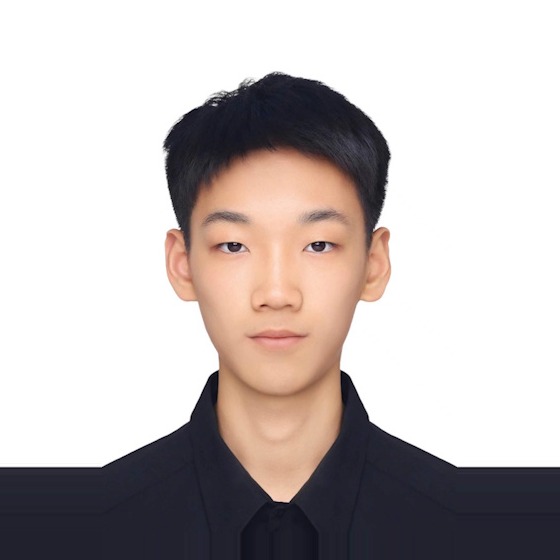
Fuyu Qiu
University of Illinois Urbana-ChampaignSynoRing

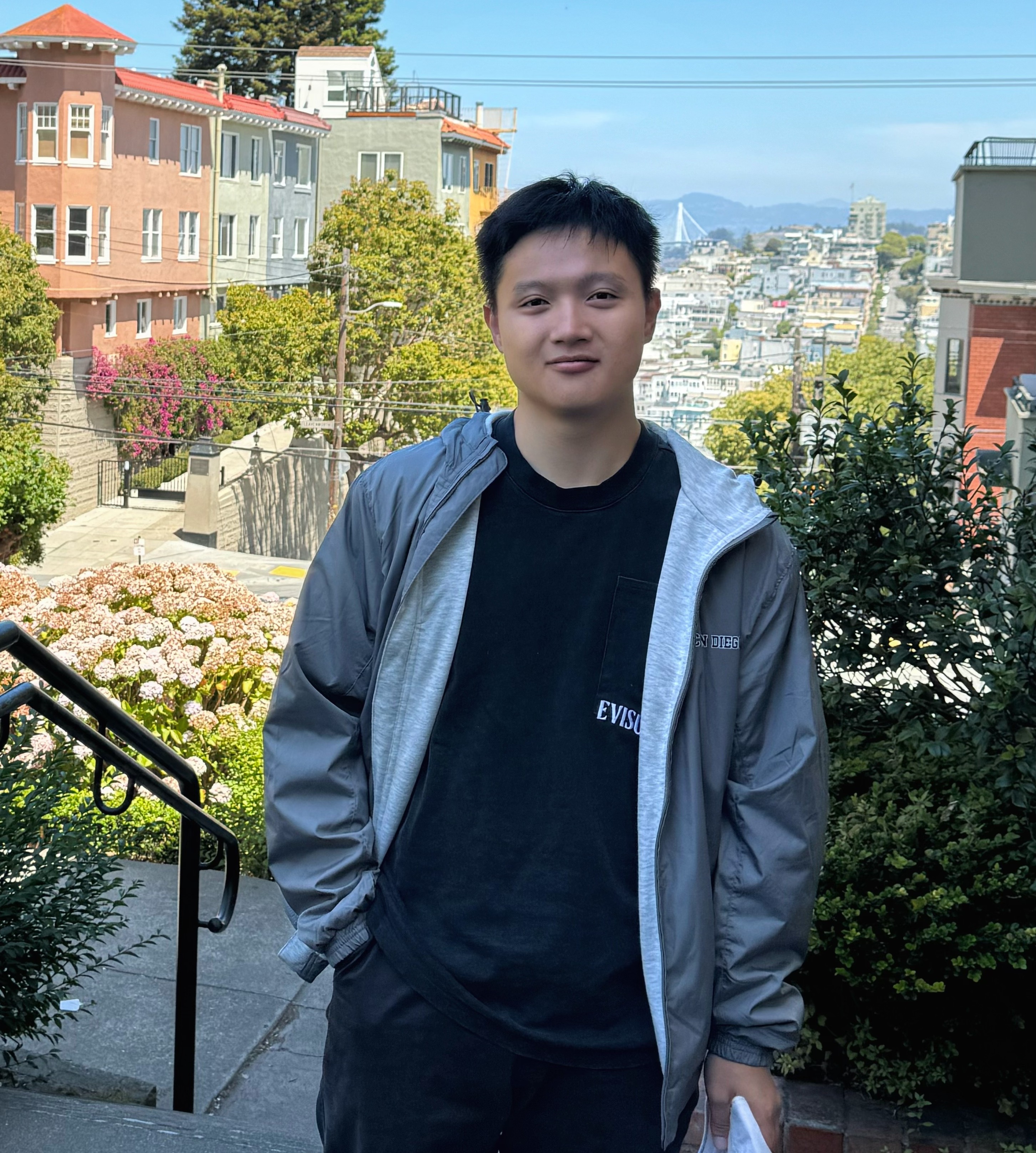
Yi Zhong
University of Illinois Urbana-ChampaignSynoRing
Zhaoyang Li
Rutgers University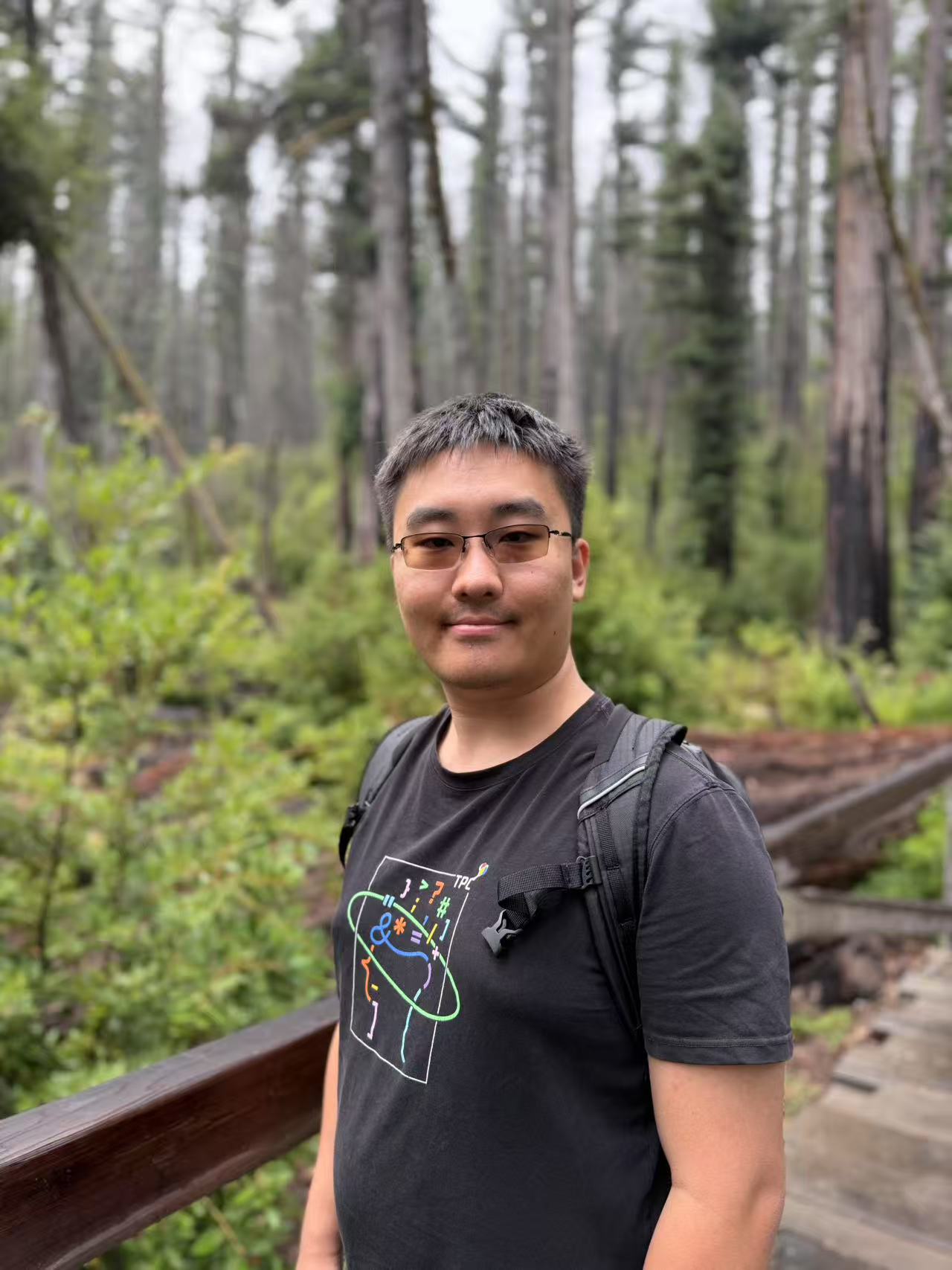
Xu Cao
PediaMed AI & University of Illinois Urbana-Champaign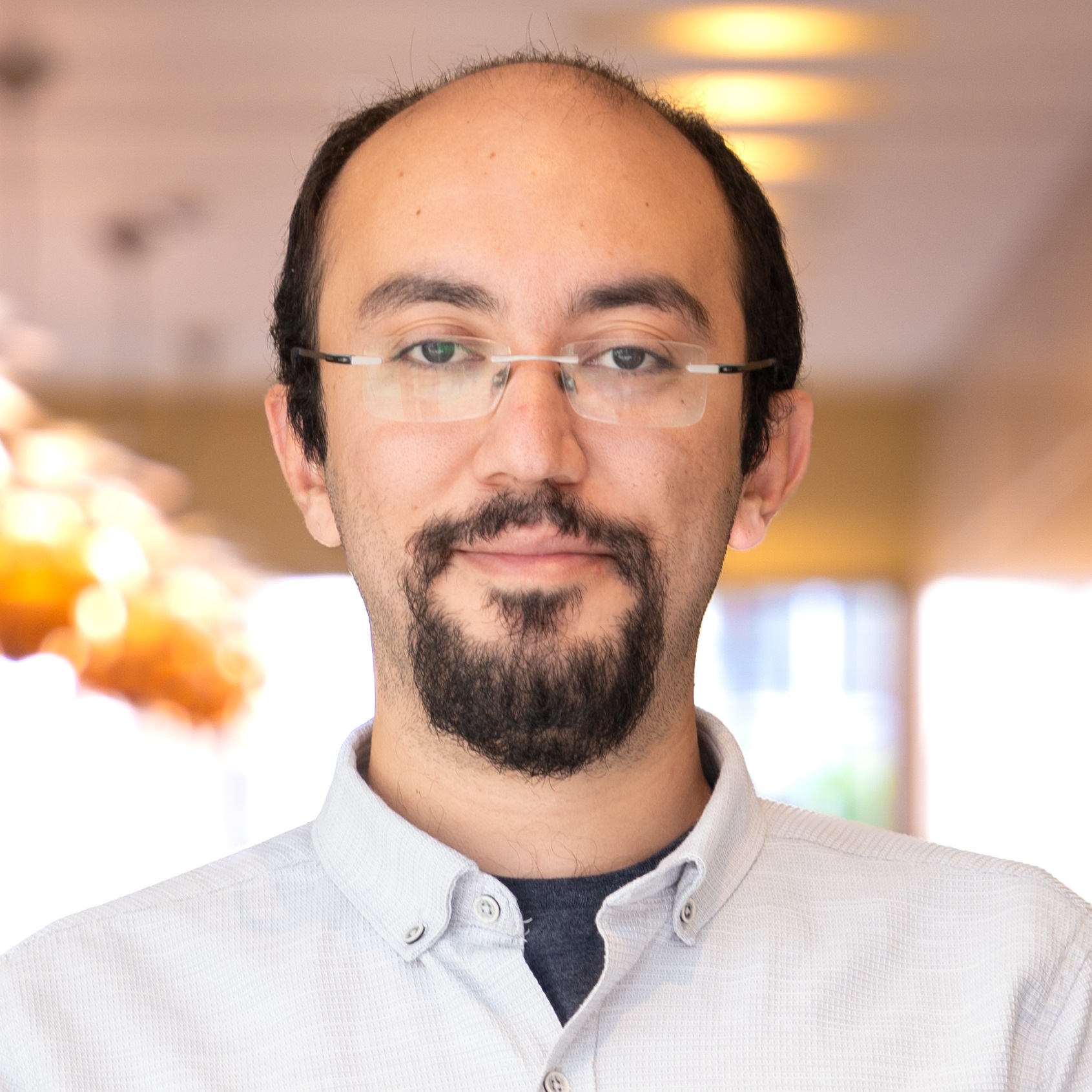
Erdem Bıyık
University of Southern California
Mengdi Xu
Tsinghua University
Ismini Lourentzou
University of Illinois Urbana-Champaign
Abdeslam Boularias
Rutgers University